
Essential Chimney Maintenance Tips for Homeowners

A well-maintained chimney is crucial for the safety and efficiency of your home heating system. Neglecting chimney upkeep can lead to dangerous situations such as chimney fires, carbon monoxide poisoning, and costly repairs. This guide provides practical and easy-to-follow chimney care tips to help you keep your chimney in top condition year-round.
Why Chimney Care Tips Matter
Chimneys are exposed to harsh conditions both inside and outside your home. Soot, creosote buildup, moisture, and weather elements can all cause damage over time. Proper chimney care helps prevent:
Fire hazards caused by creosote accumulation
Water damage from cracks and leaks
Blockages that reduce ventilation and increase smoke inside the home
Structural deterioration that can be expensive to fix
Regular maintenance also improves the efficiency of your fireplace or stove, saving you money on heating bills. By following simple chimney care tips, you can extend the life of your chimney and ensure your home stays safe and warm.

Practical Chimney Care Tips for Every Homeowner
Maintaining your chimney does not have to be complicated. Here are some essential tips that you can implement easily:
Schedule Annual Inspections and Cleanings
Hire a certified chimney sweep to inspect and clean your chimney at least once a year. This professional service removes dangerous creosote deposits and checks for cracks, blockages, or animal nests.
Install a Chimney Cap
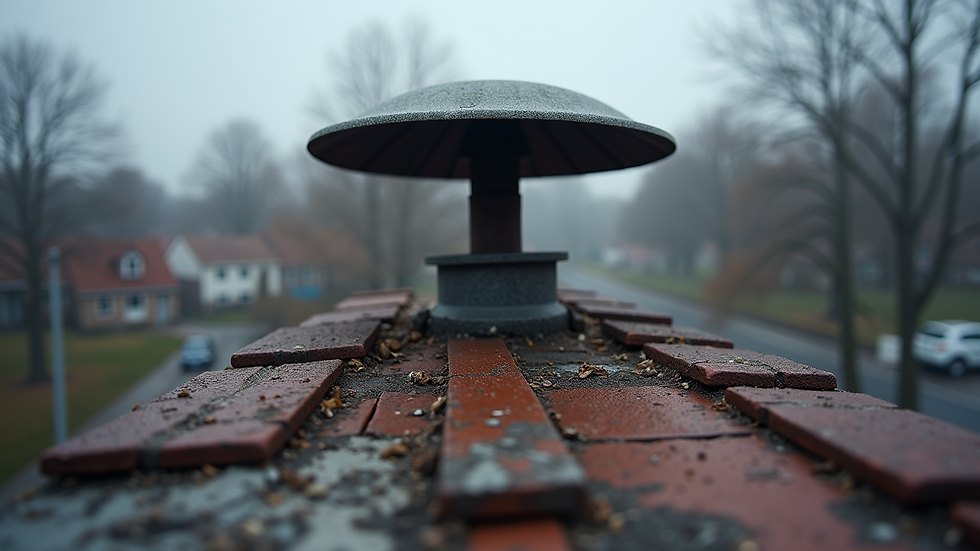
A chimney cap prevents rain, debris, and animals from entering your chimney. It also reduces downdrafts and sparks escaping onto your roof. You can learn more about chimney caps and their benefits here.
Burn the Right Wood
Use only dry, seasoned hardwoods like oak or maple. Avoid burning treated wood, painted wood, or trash, as these produce harmful chemicals and excessive creosote.
Keep the Damper Closed When Not in Use
Closing the damper prevents warm air from escaping your home and stops cold air from entering through the chimney.
Check for Visible Damage
Regularly inspect the exterior of your chimney for cracks, missing mortar, or loose bricks. Early repairs can prevent water infiltration and structural issues.
Use a Fireplace Screen
A screen helps contain sparks and embers inside the fireplace, reducing the risk of accidental fires.
Monitor Smoke and Odors
If you notice excessive smoke inside your home or unusual odors, it could indicate a blockage or ventilation problem. Contact a professional immediately.
How do you maintain a chimney?
Maintaining a chimney involves a combination of regular inspections, cleaning, and minor repairs. Here’s a step-by-step approach to keep your chimney functioning safely:
Inspect the Chimney Annually
Look for signs of wear such as cracks in the crown, damaged flashing, or rusted damper components. Use a flashlight to check inside the flue for creosote buildup or obstructions.
Clean the Chimney Flue
Creosote is a highly flammable substance that accumulates inside the flue. Use a chimney brush or hire a professional to remove this buildup. This cleaning reduces the risk of chimney fires.
Repair Minor Damage Promptly
Small cracks or missing mortar can be sealed with chimney repair mortar. For larger issues, consult a masonry expert.
Maintain the Chimney Cap and Flashing
Ensure the chimney cap is securely attached and free of rust. Check the flashing around the chimney base to prevent water leaks.
Keep the Fireplace Area Clean
Remove ashes regularly and dispose of them safely. Ashes can retain heat for days and pose a fire risk if not handled properly.
Monitor Moisture Levels
Moisture can cause deterioration of bricks and mortar. Use waterproof sealants designed for chimneys to protect the exterior.
By following these steps, you can maintain your chimney’s safety and efficiency throughout the year.

Signs Your Chimney Needs Professional Attention
Even with regular care, some chimney problems require expert intervention. Watch for these warning signs:
Persistent Smoke in the Room
This may indicate a blocked or damaged flue.
Strong Odors
A musty or smoky smell can signal creosote buildup or animal nests.
Visible Cracks or Loose Bricks
Structural damage can worsen quickly and compromise safety.
Water Leaks Around the Chimney
Water stains on walls or ceilings near the chimney suggest flashing or crown issues.
Rust on Damper or Firebox
Rust can weaken metal components and affect chimney operation.
If you notice any of these issues, schedule a professional chimney inspection immediately. Early detection can save you from costly repairs and hazards.
Tips for Seasonal Chimney Care
Different seasons bring unique challenges for chimney maintenance. Here are some seasonal tips:
Fall
Prepare your chimney for heavy use by scheduling a professional cleaning. Check the chimney cap and flashing before the rainy season.
Winter
Use dry wood and avoid overfiring the fireplace. Keep the damper closed when not in use to conserve heat.
Spring
Inspect for winter damage such as cracks or water leaks. Clean out any debris or nests that may have accumulated.
Summer
Perform a thorough inspection and minor repairs. Consider applying a waterproof sealant to protect against rain.
Regular seasonal care helps prevent unexpected problems and keeps your chimney ready for use year-round.
By following these essential chimney care tips, you can ensure your chimney remains safe, efficient, and durable. Remember, investing time and effort into proper maintenance protects your home and family from potential hazards. For more detailed information on chimney caps and other protective accessories, visit this link.


Comments